
Therapy for
Black Women & People of Color
in Baton Rouge
is this you?You were taught that strength means handling everything yourself—but carrying it alone has become exhausting.

→ You were taught that discussing your feelings would not change anything and that you should simply keep moving forward.
→ You have been encouraged to only pray about your struggles instead of seeking emotional or professional support.
→ You worry that seeking therapy could lead to being judged, misunderstood, negatively affected, or given a label that follows you.
→ You have learned to code-switch by changing how you speak, behave, dress, or express emotions depending on who is around you.
→ You feel pressure to remain strong and private because personal or family concerns are not supposed to be shared outside the home.
→ You question whether a therapist will understand your culture without minimizing, pathologizing, or misinterpreting your experiences.

Culturally responsive therapy can help youYou deserve support that considers your whole experience
𑁍 Understand how culture, family, faith, relationships, and past experiences may influence the way you think, feel, and respond.
𑁍 Explore anxiety, trauma, racial stress, burnout, grief, relationship concerns, and major life transitions in a supportive environment.
𑁍 Recognize how code-switching, perfectionism, and the pressure to remain strong may affect your emotional well-being.
𑁍 Set healthier boundaries without feeling that you are betraying your family, culture, faith, or responsibilities.
How can culturally responsive therapy support you?
✿
Feel understood without having to overexplain
Your culture, identity, relationships, faith, and lived experiences are treated as meaningful parts of your story. You do not have to spend the entire session educating your therapist before you can receive support.
✿
Explore the pressure to perform
Therapy can help you examine how code-switching, perfectionism, respectability expectations, family roles, and the pressure to appear strong may affect your emotions and relationships.
✿
Heal while honoring your identity
You can work toward healing and meaningful change without being asked to disconnect from your culture, community, family, values, or faith. The goal is not to tell you how to live—it is to help you better understand yourself and make decisions that align with who you are.


Concerns We Can Explore Together
Anxiety and depression
Trauma and childhood wounds
Racial stress and discrimination
Code-switching
Burnout and overwhelm
Perfectionism and self-doubt
Boundaries and people-pleasing
Relationship concerns
Divorce and separation
Infidelity and betrayal
Grief and loss
Family and generational patterns
Identity and self-esteem
Motherhood and parenting
Career and academic stress
Life transitions
Faith and church hurt
Cultural expectations
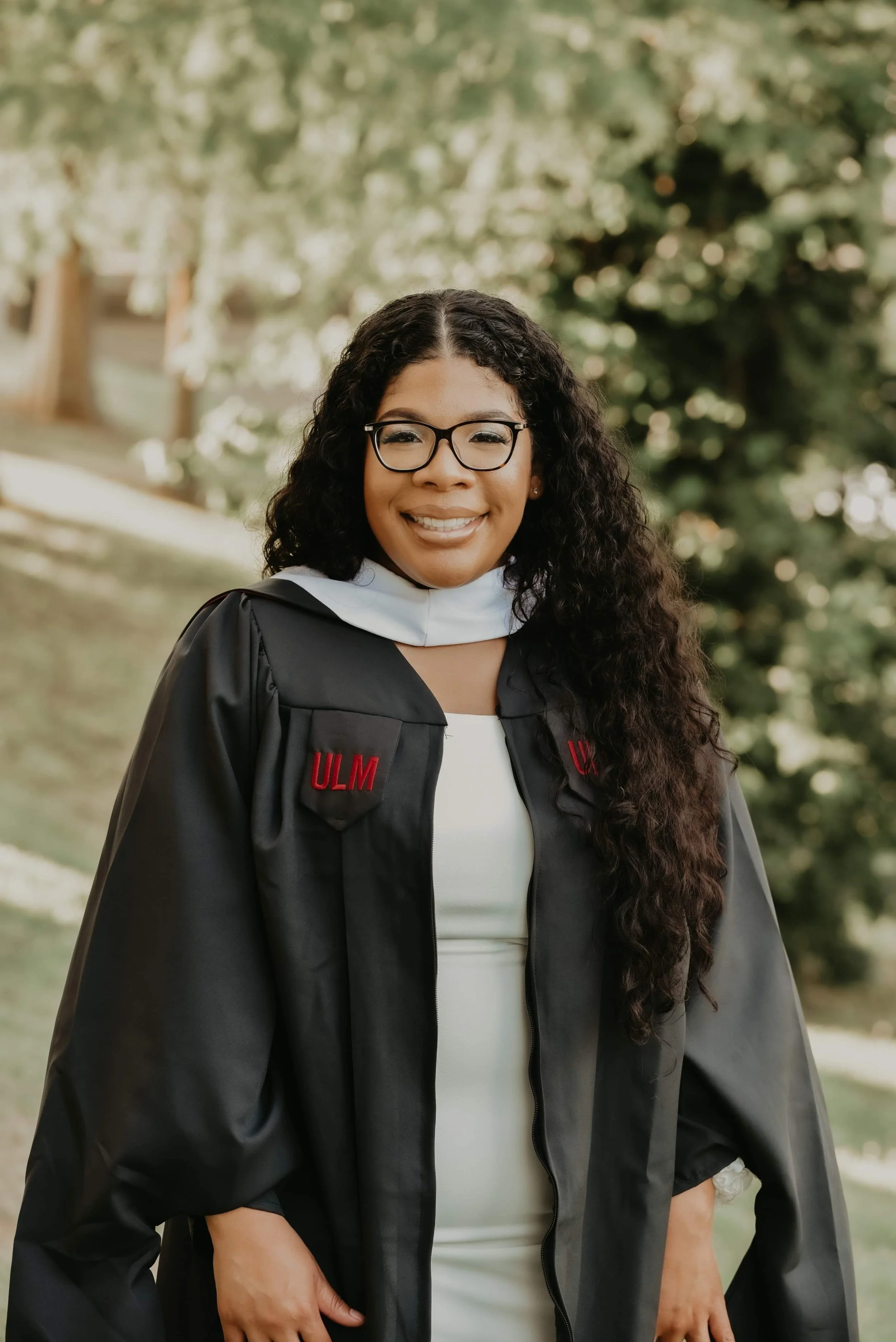
Meet Your Therapist
I’m Davially Frans-Riley, a Black Licensed Marriage and Family Therapist and Licensed Professional Counselor in Baton Rouge. As a Black woman and immigrant, I understand the experience of navigating spaces where different parts of your identity may affect how you are perceived, heard, or expected to show up.
I have also experienced the complexities of being a Black woman within the mental health field—learning when it feels safe to speak naturally, navigating expectations of professionalism, and recognizing the pressure to adjust parts of yourself to fit different environments. My personal experiences do not mean that I will assume your story is the same as mine, but they help me approach conversations about race, culture, immigration, code-switching, faith, and identity with awareness and openness.
Have questions about culturally responsive therapy?

Q&A-
No. This page highlights our commitment to supporting Black women and people of color, but Attentif Counseling welcomes clients from all racial, cultural, and ethnic backgrounds.
Therapy is personalized according to each client’s identity, experiences, concerns, and goals.
You can decide how much or how little you want to verbalize during the process. We will move at a pace that feels manageable for you, and you are never expected to provide a detailed account of your trauma in order for the work to be meaningful.
-
Culturally responsive therapy recognizes that mental health does not exist separately from culture, family, relationships, faith, identity, and lived experience.
These parts of your life are considered throughout therapy instead of being ignored, minimized, or treated as unrelated to your concerns.
-
No. You decide what you want to discuss and what feels relevant to your goals.
Race and culture will not be forced into every conversation, but there is space to explore them whenever they are meaningful to your experience.
Brainspotting is more client-led and flexible, allowing us to follow your cues, your level of readiness, and what you are experiencing internally in the moment. You maintain greater control over how much you share, when you want to pause, and how deeply you want to engage in the process.
My EMDR training still informs my understanding of trauma, nervous system responses, pacing, and readiness for processing. However, I believe it is important to offer the approaches that best fit how I currently practice and how I can most effectively support my clients.
-
Yes. Therapy can provide a supportive space to process racism, discrimination, microaggressions, workplace experiences, code-switching, and the emotional impact of feeling misunderstood, overlooked, or pressured to change how you present yourself.
-
Attending therapy does not automatically mean that something is “wrong” with you. People seek therapy for many reasons, including stress, grief, relationship concerns, personal growth, trauma, major life transitions, or simply needing a confidential place to think and process.
If clinical assessment or diagnosis becomes relevant, your therapist will discuss it with you and give you an opportunity to ask questions. You are an active participant in your care.
-
Yes, if you request it. Faith is not automatically incorporated into therapy, but Christian or faith-based support is available for clients who want their spiritual beliefs included.
Therapy and faith do not have to compete with one another. For many clients, professional support can exist alongside prayer, spiritual practices, and connection with their faith community.
Have more questions? Send us an email!



let's get started